

Believe in yourself…but ask for help
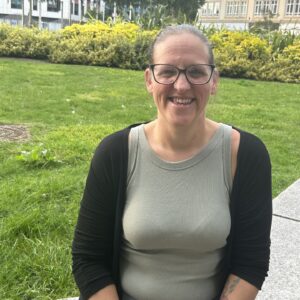
Sam Monk is a young person’s advisor (YPA), working in the Swansea area. Before becoming a YPA she worked with children and young people in many different situations – in schools, residential care and with young offenders.
Being a YPA is such a privilege. I get to see young people grow and put skills and knowledge into practice. My job is to try to get young people from all backgrounds and experiences as independent as possible so that they can live the best adult life that they can. I want young people to see me as a safe place, somewhere they can turn to when they need help and advice.
A challenging time of life
Going from 16 to 18 and then 18 to 21 are some of the most challenging times in life because there are so many changes and so many expectations, and the difference between being in the care of social services and then being
classed as an adult are wildly different. That can be one of the most challenging parts of my role, having to explain to a young person that when they turn 18 I can’t do things for them, but I can do things with them and help them develop the skills they need.
Building trust
When I first sit down with a young person, it’s all about relationship building and getting an understanding of the young person. It’s showing them that we’re not going anywhere, and encouraging them to ask me lots of questions. It’s about building trust and explaining the difference between my role and a social worker. I just want them to know that I’m there for them when they need me and they can come to me with anything. Nothing phases
me, I’ve seen it all and done it all.
We’re supposed to do pathway plans to set future goals every six months, but some of my young people don’t want to do them because they’ve had enough of meetings. Other young people love doing them and reflecting. For me,
the pathway plan is for the young person, so if they don’t want one I need to respect that and find a way to meet the aims of the pathway plan without lots of meetings.
Setting expectations
think that the most important thing to help young people prepare for independence is to set expectations. We need to help young people understand the reality of life – that we’re in a housing crisis, so you won’t necessarily get a
flat; that universal credit isn’t a lot of money.
Then it’s important to make sure they’ve got the basics – cooking, not relying on other people to do things for you, preparing for bills and budgeting, looking after themselves. We have other agencies that can help with these things,
especially independent living skills.
My biggest frustration is when young people are living out of county and we can’t get them the services they need because they don’t live in Swansea. These are young people who may have not lived in Swansea for years, don’t want
to live in Swansea but can’t access the services in the local authority where they live. If a 17-year old wants to stay where they’re living, why can’t their service be transferred to the local care leaver’s service?
A final message
The message I’d send to my 16-year-old self, and to other 16-year-olds today, is to believe in yourself, you’ve got it… but don’t be afraid to ask for help. If you have worries or concerns, reach out
A YPA is an experienced support worker who is not a social worker. They will usually start working with you
around your 16th birthday. Once you turn 18, you will officially leave care and you will stop having a social
worker. Then your YPA is there to help you to prepare to live independently. They can offer you advice,
guidance and support after you leave care (until you are 21, or 25 if you remain in education or continue to
need support).
Your YPA will talk with you about any support you need. This support, and how you’ll get it, will be written in your pathway plan.

A YPA is an experienced support worker who is not a social worker. They will usually start working with you
around your 16th birthday. Once you turn 18, you will officially leave care and you will stop having a social
worker. Then your YPA is there to help you to prepare to live independently. They can offer you advice,
guidance and support after you leave care (until you are 21, or 25 if you remain in education or continue to
need support).
Your YPA will talk with you about any support you need. This support, and how you’ll get it, will be written in your pathway plan.



Signposting block
Quisque a purus dictum, ultricies elit et, mattis tortor. Donec facilisis lacus ex, in gravida elit convallis vel. Phasellus eget nisl euismod, volutpat nulla a, euismod quam. In vulputate blandit quam, nec tincidunt tellus posuere vitae.